
Please note this is AI generated content, that was manually queried, and accuracy is not guaranteed. So please read at your own risk. Hopefully it has some useful info, like researching it yourself.
Search Engine Optimization (SEO) is a crucial aspect of digital marketing that focuses on improving a website’s visibility on search engines like Google. The ultimate goal is to attract organic traffic, enhance user experience, and increase conversions. However, not all SEO practices are ethical or effective in the long run. Among these practices, black hat SEO stands out as a particularly harmful approach. This blog post will delve into the intricacies of SEO, the dangers of black hat techniques, and the importance of ethical practices in achieving sustainable online success.
What is SEO?
SEO is the process of optimizing a website to rank higher in search engine results pages (SERPs). It involves various strategies and techniques aimed at improving the quality and quantity of organic traffic to a website. SEO can be broadly categorized into two main types: on-page SEO and off-page SEO.
On-Page SEO
On-page SEO refers to the optimization of individual web pages to improve their search engine rankings. This includes:
- Content Quality: Creating high-quality, relevant, and engaging content that meets user intent.
- Keyword Optimization: Researching and strategically placing keywords throughout the content, including titles, headings, and meta descriptions.
- HTML Tags: Utilizing proper HTML tags, such as title tags and header tags, to help search engines understand the content structure.
- User Experience (UX): Ensuring that the website is user-friendly, with fast loading times, mobile responsiveness, and easy navigation.
Off-Page SEO
Off-page SEO involves activities that occur outside of the website to improve its authority and credibility. This includes:
- Link Building: Acquiring high-quality backlinks from reputable websites to enhance domain authority.
- Social Media Engagement: Promoting content on social media platforms to increase visibility and drive traffic.
- Brand Mentions: Building a strong online presence through mentions and discussions about the brand across various platforms.
What is Black Hat SEO?
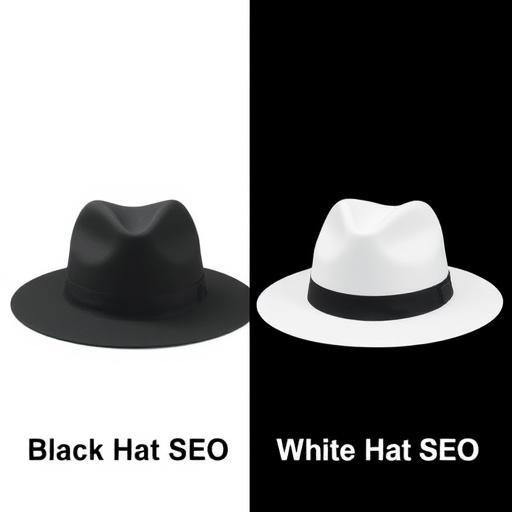
Black hat SEO refers to a set of unethical practices aimed at manipulating search engine algorithms to achieve higher rankings. These techniques often violate search engine guidelines and can lead to severe penalties, including being banned from search results altogether. Some common black hat techniques include:
- Keyword Stuffing: Overloading a webpage with keywords to manipulate rankings. This practice can lead to poor readability and a negative user experience.
- Cloaking: Showing different content to search engines than what is displayed to users. This deceptive practice misleads both search engines and users.
- Link Farming: Creating a network of low-quality websites to generate backlinks. These links are often irrelevant and do not provide any real value.
- Duplicate Content: Copying content from other sites to trick search engines into thinking it’s original. This can lead to penalties for both the original and duplicate content sites.
- Hidden Text: Using text that is invisible to users but visible to search engines, such as white text on a white background. This technique aims to manipulate rankings without providing value to users.
Why is Black Hat SEO Bad?
Engaging in black hat SEO can have dire consequences for businesses and websites. Here are some key reasons why these practices are detrimental:
1. Risk of Penalties
Search engines like Google are constantly updating their algorithms to identify and penalize black hat techniques. Websites caught using these methods can face significant penalties, including:
- Lower Rankings: A site may drop in search results, making it harder for users to find.
- De-indexing: In severe cases, a website can be completely removed from search engine indexes, rendering it invisible to potential visitors.
- Loss of Trust: Once a site is penalized, it can take a long time to regain trust from both search engines and users.
2. Damage to Reputation
Using unethical practices can harm a brand’s reputation. Users who discover that a site employs black hat techniques may lose trust and choose to engage with competitors instead. This loss of credibility can have long-lasting effects on customer relationships. A damaged reputation can lead to:
- Negative Reviews: Unsatisfied users may leave negative reviews, further harming the brand’s image.
- Decreased Customer Loyalty: Customers are less likely to return to a brand they perceive as dishonest or manipulative.
3. Short-Term Gains vs. Long-Term Success
While black hat techniques may yield quick results, they are not sustainable. Search engines prioritize quality content and user experience. Relying on manipulative tactics can lead to a cycle of constant adjustments and penalties, ultimately hindering long-term growth. The consequences of short-term thinking include:
- Inconsistent Traffic: Websites using black hat techniques may experience fluctuations in traffic, making it difficult to maintain a steady flow of visitors.
- Increased Costs: The need to constantly adapt to algorithm changes and recover from penalties can lead to increased marketing costs.
4. Poor User Experience
Many black hat techniques prioritize rankings over user experience. For example, keyword stuffing can make content unreadable and frustrating for users. A poor user experience can lead to high bounce rates and low engagement, further impacting a site’s performance. The negative effects on user experience include:
- Frustration: Users may find it difficult to navigate a site filled with irrelevant or poorly structured content.
- High Bounce Rates: If users do not find what they are looking for quickly, they are likely to leave the site, which signals to search engines that the content is not valuable.
- Reduced Engagement: A lack of quality content can lead to lower interaction rates, such as fewer comments, shares, or time spent on the site.
The Importance of Ethical SEO Practices
Given the risks associated with black hat SEO, it is essential for businesses to adopt ethical practices, often referred to as white hat SEO. These practices not only comply with search engine guidelines but also focus on providing value to users. Here are some key components of white hat SEO:
1. Quality Content Creation
Creating high-quality, relevant content is the cornerstone of effective SEO. This involves:
- Understanding User Intent: Researching what users are searching for and creating content that addresses their needs.
- Providing Value: Offering informative, engaging, and actionable content that keeps users coming back.
- Regular Updates: Keeping content fresh and up-to-date to maintain relevance and authority.
2. Natural Link Building
Building backlinks is crucial for improving domain authority, but it should be done ethically. Strategies include:
- Guest Blogging: Writing articles for reputable websites in exchange for backlinks.
- Building Relationships: Networking with other bloggers and influencers to create opportunities for collaboration.
- Creating Shareable Content: Producing infographics, videos, or research studies that others want to link to.
3. On-Page Optimization
On-page SEO is vital for ensuring that search engines can easily crawl and index a website. Key practices include:
- Keyword Research: Identifying relevant keywords and incorporating them naturally into content.
- Meta Tags: Writing compelling title tags and meta descriptions that encourage clicks.
- User-Friendly Design: Ensuring that the website is easy to navigate, mobile-friendly, and fast-loading.
4. Technical SEO
Technical SEO focuses on the backend of a website to improve its performance. Important aspects include:
- Site Speed: Optimizing images, leveraging browser caching, and minimizing code to improve loading times.
- Mobile Optimization: Ensuring that the website is responsive and provides a seamless experience on mobile devices.
- Secure Connections: Implementing HTTPS to protect user data and improve trustworthiness.
The Long-Term Benefits of Ethical SEO
Investing in ethical SEO practices can lead to numerous long-term benefits for businesses:
1. Sustainable Growth
By focusing on quality content and user experience, businesses can achieve sustainable growth. This includes:
- Consistent Traffic: Ethical practices lead to steady organic traffic over time, as users are more likely to return and recommend the site.
- Higher Conversion Rates: Engaging and valuable content can lead to increased conversions, as users are more likely to trust and engage with a brand that provides quality information.
2. Enhanced Brand Reputation
Building a reputation based on trust and quality can lead to:
- Customer Loyalty: Satisfied users are more likely to become repeat customers and advocates for the brand.
- Positive Word-of-Mouth: Happy customers will share their experiences, leading to organic growth through referrals.
3. Improved Search Engine Rankings
Search engines reward websites that adhere to ethical practices. This can result in:
- Higher Rankings: Consistently producing quality content and earning backlinks can lead to improved rankings in SERPs.
- Increased Visibility: Higher rankings lead to greater visibility, which can attract more organic traffic.
Conclusion
While the allure of quick rankings through black hat SEO may be tempting, the risks far outweigh the benefits. Engaging in unethical practices can lead to penalties, damage to reputation, and a poor user experience. In contrast, ethical SEO practices not only enhance visibility but also build trust and credibility with users.
By focusing on quality content, natural link building, and user experience, businesses can achieve sustainable growth and long-term success in the digital landscape. Embracing white hat techniques is the way forward for anyone serious about their online presence. The journey may take longer, but the rewards of ethical SEO are well worth the effort.
Final Thoughts
As the digital landscape continues to evolve, staying informed about SEO best practices is essential. Businesses must adapt to changes in search engine algorithms and user behavior to remain competitive. By prioritizing ethical SEO, companies can not only improve their search rankings but also foster a loyal customer base that values integrity and quality.
Source: Duck.ai