Please note this is AI generated content, that was manually queried, and accuracy is not guaranteed. So please read at your own risk. Hopefully it has some useful info, like researching it yourself.
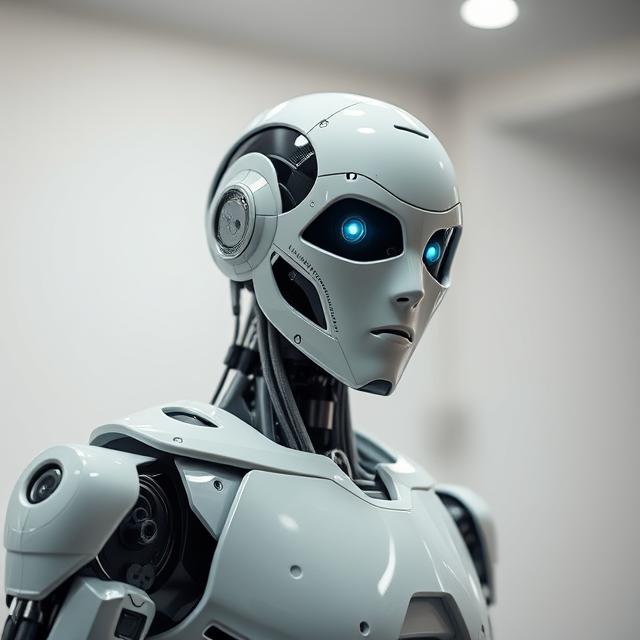
In 2025, the field of robotics has made remarkable strides, particularly in the development of lifelike android robots. These machines are not just tools; they are designed to interact with humans in ways that mimic real-life interactions. This article explores some of the most advanced android robots, their capabilities, and the implications of their integration into society.
Overview of Lifelike Android Robots
Lifelike android robots are characterized by their human-like appearance and behavior. They are equipped with advanced artificial intelligence (AI) that allows them to understand and respond to human emotions, engage in conversation, and perform various tasks. The market for humanoid robots is projected to reach $2.92 billion in 2025, growing at a 39.2% CAGR through 2030, indicating a significant shift towards automation and human-robot collaboration.
Key Features of Lifelike Android Robots
- Human-like Appearance: Many androids are designed to closely resemble humans, with realistic facial features, skin textures, and even hair. This design helps in creating a more relatable interaction experience.
- Advanced AI Capabilities: These robots utilize sophisticated AI algorithms, including large language models (LLMs), to understand and process natural language, enabling them to engage in meaningful conversations.
- Emotional Intelligence: Lifelike androids can recognize and respond to human emotions, making them suitable for roles in customer service, therapy, and companionship.
- Mobility and Dexterity: Many of these robots are equipped with multiple degrees of freedom, allowing them to perform complex tasks such as lifting, carrying, and manipulating objects.
- Autonomous Navigation: Equipped with sensors and cameras, these robots can navigate their environments, avoiding obstacles and adapting to dynamic settings.
Notable Lifelike Android Robots
1. Figure 02
- Height: 5’6″ (168 cm)
- Weight: 150 lbs (68 kg)
- Degrees of Freedom: 44
- Battery Life: 6 hours
- Key Applications: Manufacturing, logistics
Figure 02 is a humanoid robot designed for industrial applications. It features a highly articulated body that allows it to perform tasks alongside human workers. With its advanced AI, Figure 02 can understand voice commands and execute tasks based on visual cues. Currently deployed at BMW’s manufacturing plant, it assists with assembly and material transport, significantly reducing worker fatigue.
Video Example: Figure 02 in Action
Note: I had to manually search this video because AI only provided: https://www.youtube.com/watch?v=your_video_id_here
2. Nadine
- Height: 5’4″ (162 cm)
- Weight: 110 lbs (50 kg)
- Degrees of Freedom: 32
- Key Applications: Customer service, companionship
Nadine is an empathetic robot capable of making eye contact, recognizing faces, and remembering past interactions. Developed by Professor Nadia Thalmann, Nadine is designed to work in customer service roles, such as a receptionist at AIA Singapore. Her ability to engage in conversation and express emotions makes her a valuable asset in environments requiring human interaction.
3. Geminoid DK
- Height: 5’8″ (173 cm)
- Weight: 130 lbs (59 kg)
- Key Applications: Research, human interaction
Geminoid DK is a highly realistic android that closely resembles its human counterpart, Henry Scharfe. This robot is designed for research purposes and aims to explore the boundaries of human-robot interaction. Its lifelike appearance and behavior have led to instances where people mistake it for a real human.
Capabilities of Lifelike Android Robots
Lifelike android robots are capable of performing a wide range of tasks, including:
- Customer Service: Engaging with customers in retail environments, answering questions, and providing assistance.
- Healthcare: Assisting medical professionals in hospitals, providing companionship to patients, and even performing basic health checks.
- Manufacturing: Working alongside human workers in factories, performing repetitive tasks, and enhancing productivity.
- Education: Serving as teaching assistants or tutors, providing personalized learning experiences for students.
- Entertainment: Engaging audiences in performances, acting as companions, or participating in interactive experiences.
The Future of Lifelike Android Robots
As technology continues to advance, the capabilities of lifelike android robots are expected to expand significantly. Here are some trends shaping the future of this field:
- Increased Autonomy: Future robots will likely possess greater autonomy, allowing them to make decisions and adapt to new situations without human intervention.
- Enhanced Emotional Intelligence: As AI models improve, robots will become better at understanding and responding to human emotions, making them more effective in roles that require empathy.
- Broader Applications: The integration of android robots into various sectors, including hospitality, education, and healthcare, will become more prevalent. As their capabilities expand, we can expect to see them in roles that require complex decision-making and social interaction.
- Improved Human-Robot Collaboration: Future androids will be designed to work alongside humans more seamlessly. This collaboration will enhance productivity in workplaces, allowing robots to take on repetitive tasks while humans focus on more creative and strategic roles. In manufacturing, for instance, robots could assist in assembly lines, reducing the physical strain on workers and increasing efficiency.
- Ethical Considerations: As lifelike androids become more integrated into society, ethical considerations regarding their use will become increasingly important. Questions about privacy, job displacement, and the emotional impact of interacting with robots will need to be addressed. Policymakers and technologists will need to collaborate to establish guidelines that ensure the responsible development and deployment of these technologies.
- Advancements in Robotics Materials: The materials used in constructing android robots are also evolving. Future robots may be made from soft robotics materials that mimic human skin, allowing for more natural interactions. These materials can enhance the tactile experience, making robots feel more lifelike and approachable.
- Integration with IoT and Smart Homes: As smart home technology continues to grow, lifelike android robots will likely become integral components of the Internet of Things (IoT). They could manage household tasks, monitor security, and even assist with health monitoring, creating a more interconnected living environment.
- Cultural Acceptance: As robots become more prevalent in daily life, societal attitudes towards them will evolve. Acceptance of androids as companions, workers, and assistants will depend on how well they can integrate into human environments and how effectively they can address human needs.
- Global Collaboration in Robotics Research: The future of android robots will also be shaped by global collaboration in research and development. Countries around the world are investing in robotics, leading to a diverse range of innovations. Collaborative efforts can accelerate advancements and ensure that the benefits of these technologies are shared globally.
- Personalization and Customization: Future androids may offer personalized experiences tailored to individual users. This could include adapting their appearance, voice, and behavior based on user preferences, making interactions more engaging and meaningful.
Conclusion
The advancements in lifelike android robots are reshaping our understanding of human-robot interaction. With their human-like appearance, emotional intelligence, and ability to perform complex tasks, these robots are poised to play significant roles in various sectors. As we move forward, it will be essential to navigate the ethical implications and ensure that these technologies enhance human life rather than detract from it.
Sources
- Figurefigure.ai
- Global Humanoid Robot Market Accelerates Toward $4…PR Newswire
- Humanoid Robots to Have a 14-fold Market Expansion…edge-ai-vision.com
- Geminoid DKPhys.org
- Latest Geminoid Robot Looks More Human than CreepySingularity Hub
- Nadine Social Robot – MIRALabmiralab.ch
Source: Duck.ai
NOTES From Me on AI Generation:
Querying this took a few tries and the most challenging so far to write this blog or article. I initially asked something similar, but it was cut off so I asked:
“write an article, seo friendly on the most life like android robots, what it can do, and embed one or 2 videos. Around 2000 words (do not cut it off, and finish the article). site the sources in a list with links to it that I could copy/paste“.
Unfortunately, it was still cutting it off like the other articles I attempted to ask to write, except it was cutting off some sections. I asked it to finish sections (some bullet points), but I think it started another section.
In addition, it kept giving generic Youtube links autogenerated, but not to direct sources or working videos, even though I kept asking in various ways to give example links. I eventually found some Youtube videos to link to myself.
Eventually I had to copy and paste from multiple results, to complete the article, and also query:
“update the links to actual working link sources. all of those are examples that don’t work.” But this didn’t give direct links to Videos of the android robots. It was links to official company websites, or articles that may contain videos.